
Credit where credits due
Axial flux motors - Back to the future!
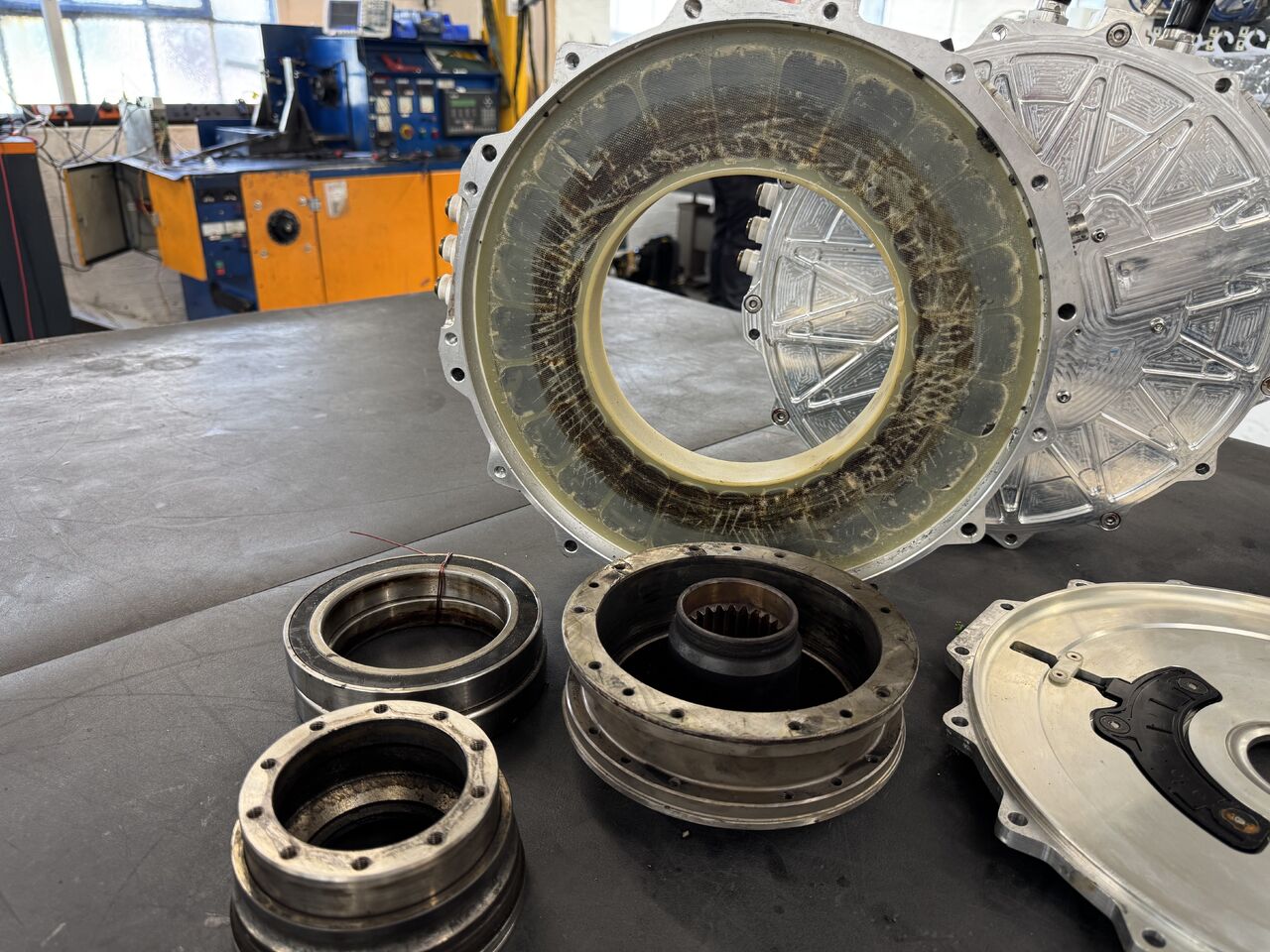
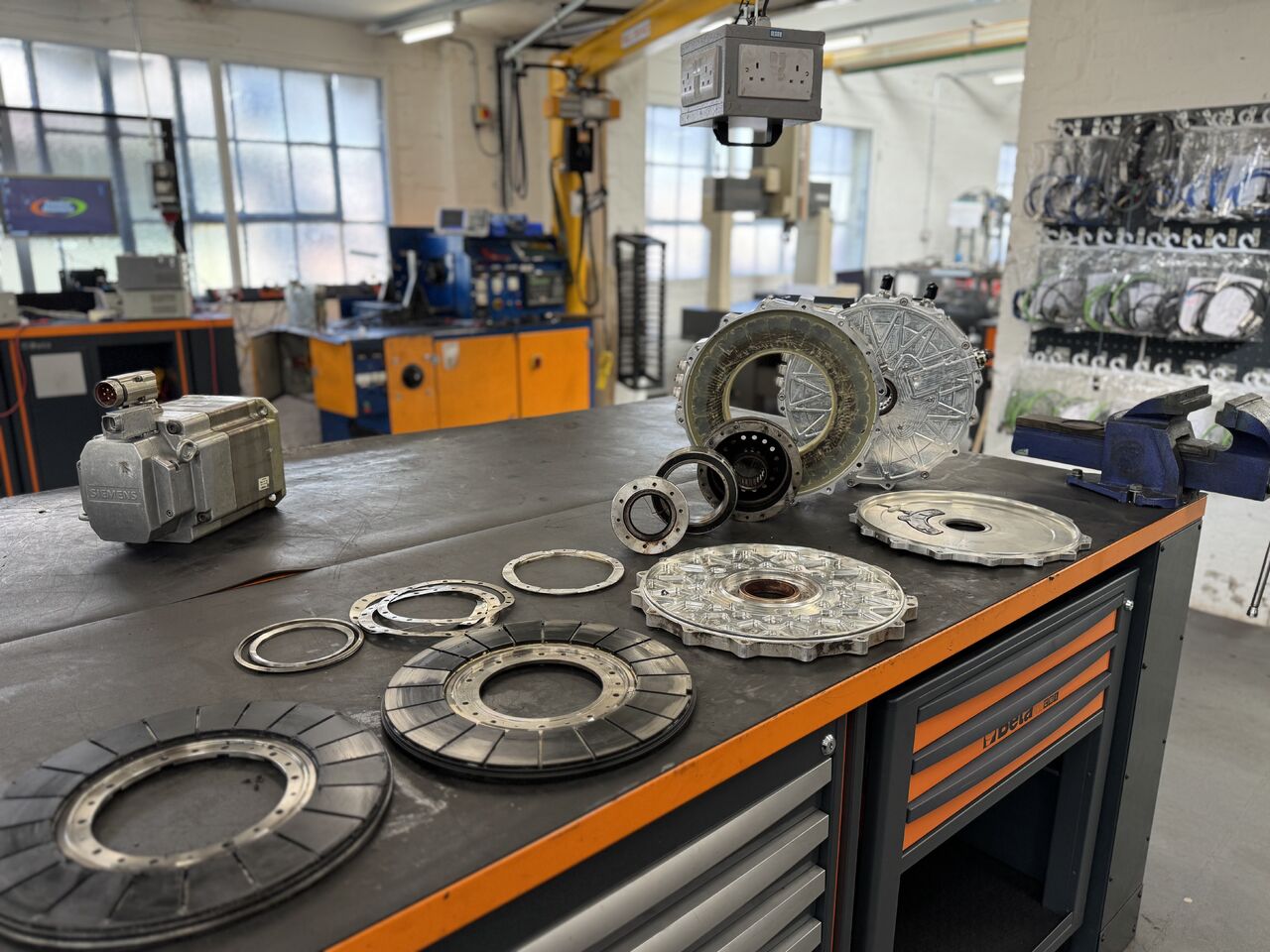
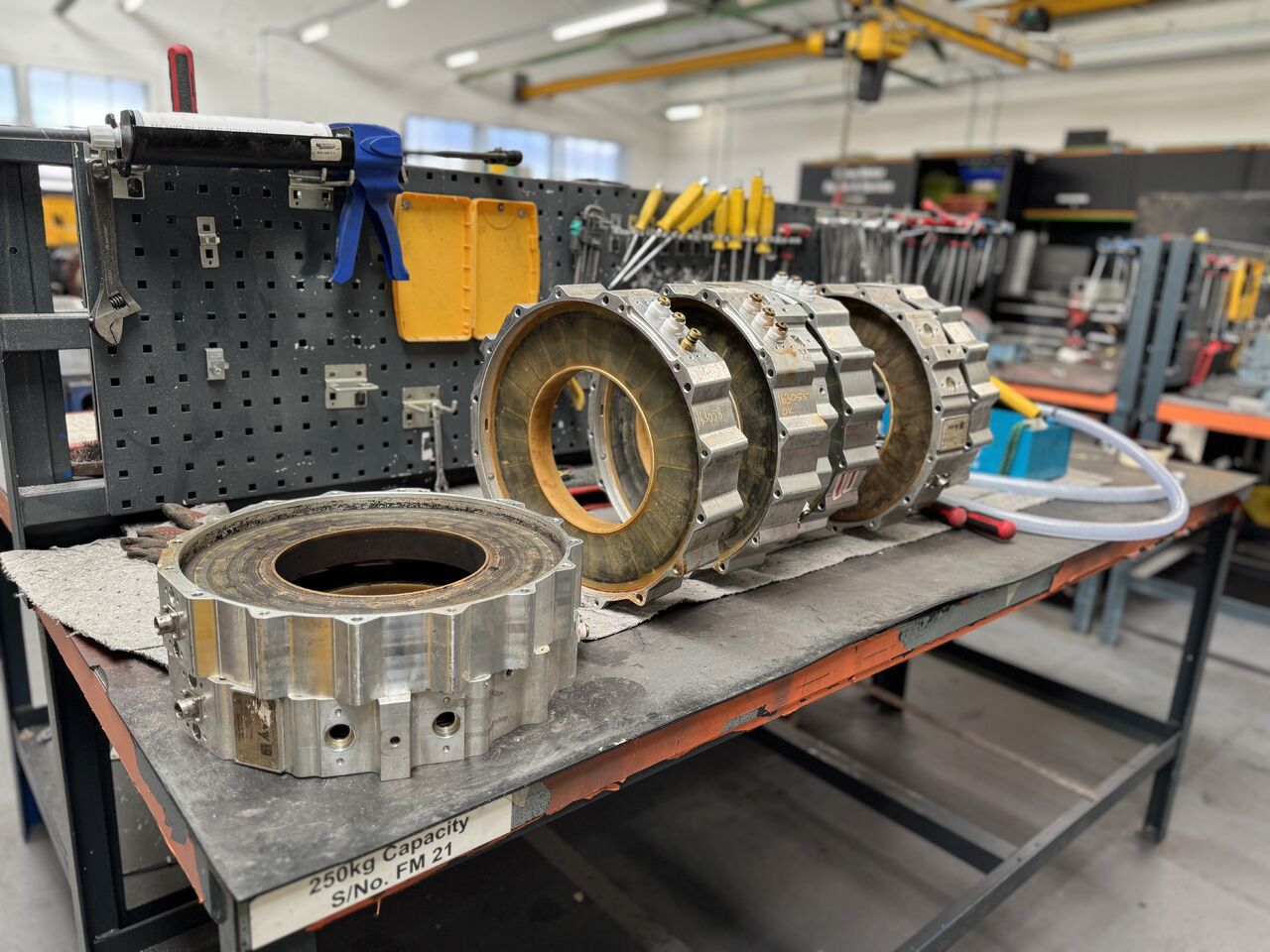
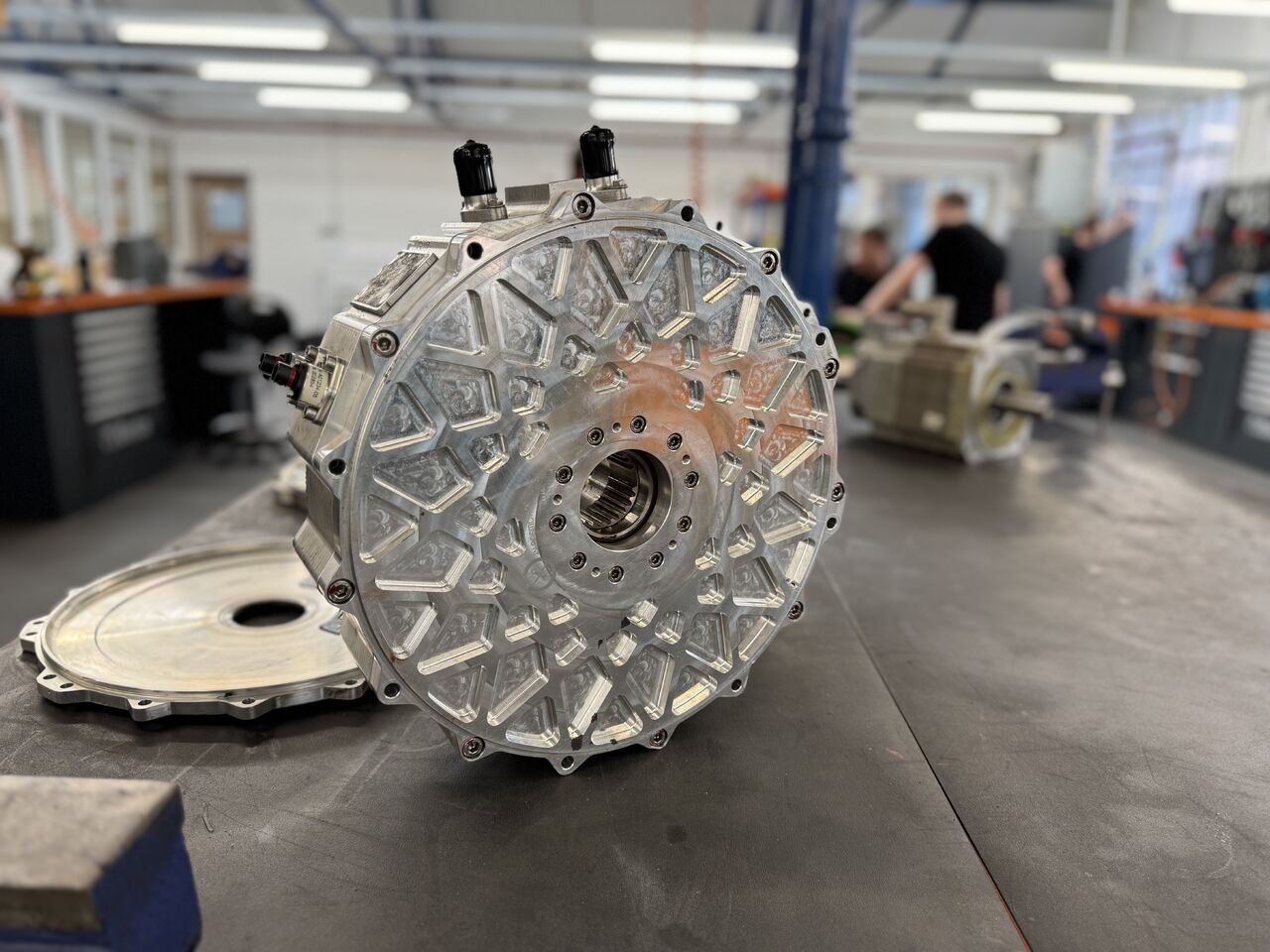
Here are the insides of an electric motor that you might not have seen before.
These are an axial flux type of AC electric motor. Back in the 1820s when the likes of Michael Faraday were experimenting with electric motors for industrial and automotive applications, two types of design were built. An axial flux motor, and, a radial flux motor. The radial flux is one that you are probably most familiar with. Its the more cylindrical type that the majority of industry uses. It won out over Faraday's axial flux 'disk' motor because it was easier to construct, easier to cool, and easier to maintain the air-gap. That said, the axial flux did have advantages, it had a higher power density. However, because of manufacturing and operational challenges, it was sidelined for many years.
Now they are becoming more common, especially in the mobility and automotive sector. Having high-power densities and being lightweight, they offer some rather welcome advantages.
CONTACT US
I'd like to offer my congratulations and appreciation to the manufacturer and designer of these motors. YASA and Tim Woolmer. Very often when new technology comes onto the market, the thought of after warranty and after OEM support is not often considered. I really like that in a time of circularity and sustainability, these motors have been designed for repair & refurbishment, they come apart. In my world, if anything comes apart, it can usually be repaired. That's a massive help when we are trying to run and own things longer rather than scrapping off when they fail.
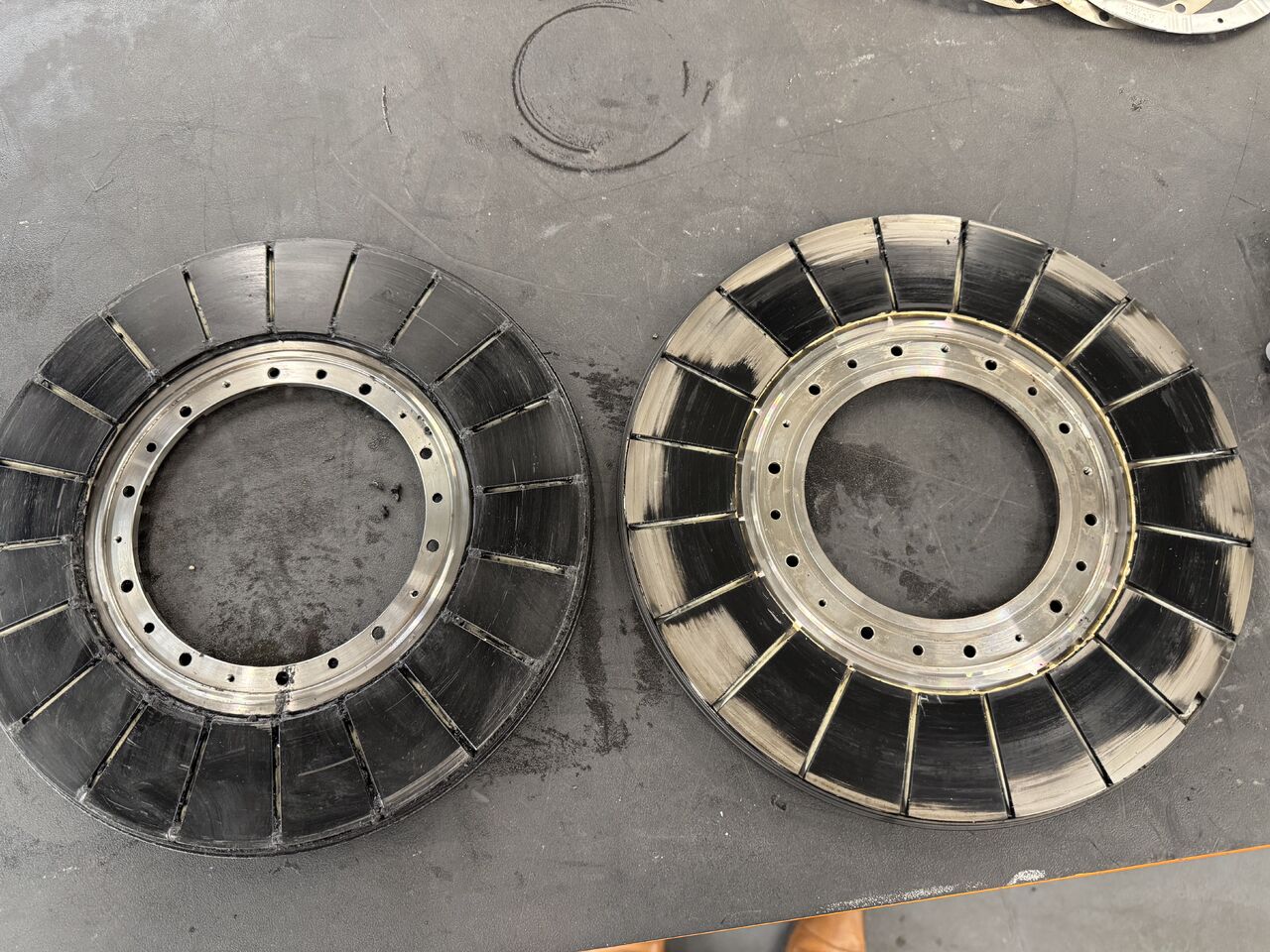
As these motors are still motors, they suffer the same problems as standard radial motors. they have bearings that wear and fail, they have windings that can blow. Although the design is different, the failures are very familiar.
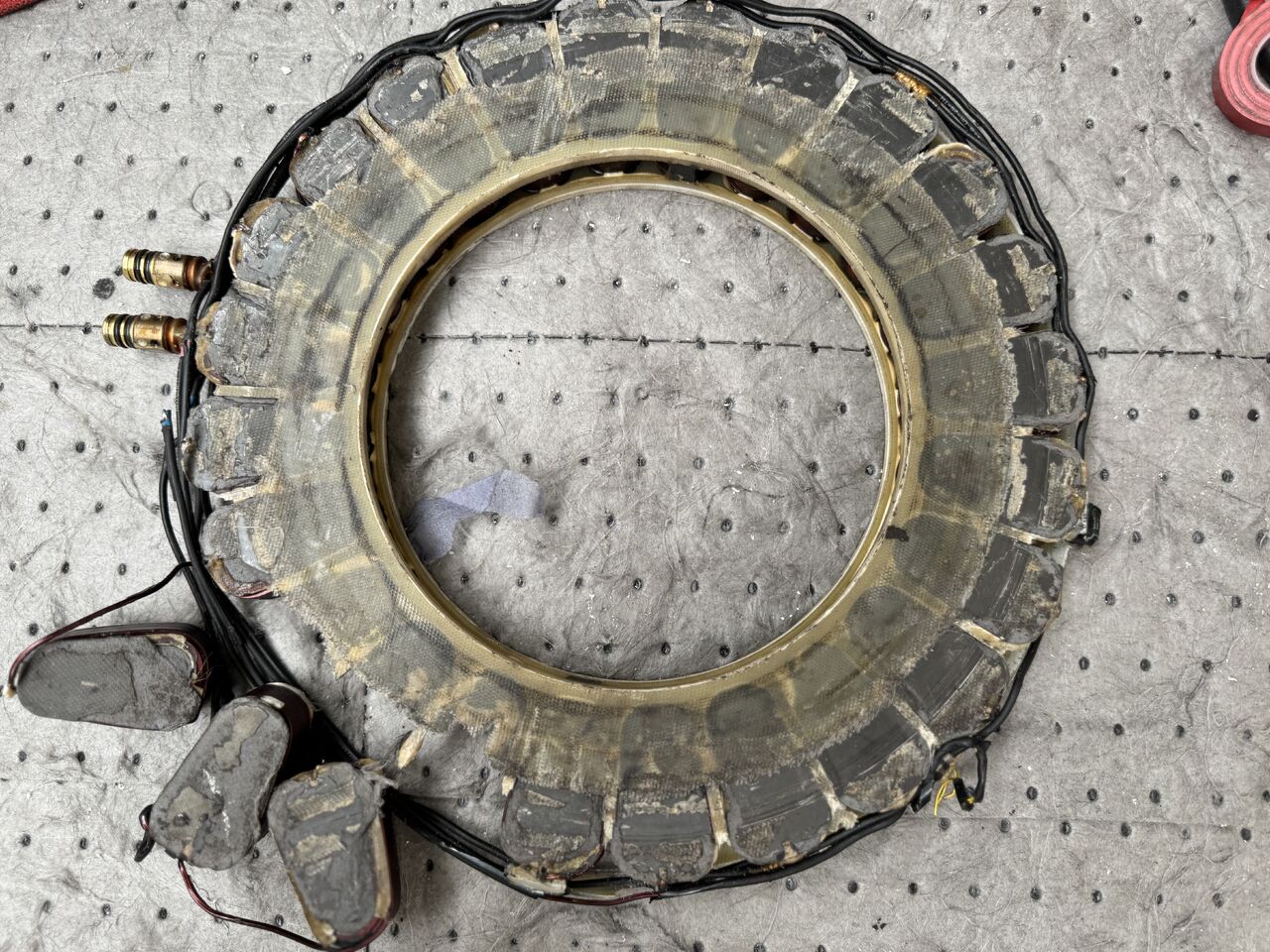
I'm sure you can see the signs on these pictures where bearings have failed and the air-gap has been lost, the black permanent magnet rotor/armature has scored. A few of the stator pictures show a good stator, one that has scored and one that from the colour, has been overloaded too.
I do particularly like the stator windings on these motors. Instead of a traditional laminated core, these use a special soft composite material called Somalloy. When rewinding these we need to machine new cores before rewinding and fitting new coils.
Jack, one of my engineers in our servo and specialist electric motor repair workshop, is completing the rebuild of one of these motors.
A figure that blows my mind still, I did mention that these have high power density. This motor at 36kg has peak power of 200kW @ 700V and, 790Nm torque! 🤯
I raise my proverbial hat to you Yasa, you could have shutout independent repair and refurbishment companies by making these unrepairable. Thank you for not doing so and allowing sustainable and circular engineering to continue. These don't need to be sent to scrap or recycling, they'll live to rotate again.

Contact Us
Please fill in the contact form to get in touch with us or contact us on the relevant channels below.
Fletcher Moorland Ltd.
Elenora Street
Stoke-on-Trent
Staffordshire,
ST4 1QG
Opening Hours:
Monday - Sunday: Open 24 hours


