
Get to the root of the problem
the windings have blown! But how?
When it comes to feedback on why electric motor fail, hearing the phrase... "The windings have blown" isn't really good enough at all. Yet it's something that I come across when speaking with users of electric motors.
Surely, users will want to know why the windings have blown so they can do something to prevent it happening again in the future. As far as we see it, a root cause failure analysis, RCFA, is all part of successful reliability engineering.
CONTACT US
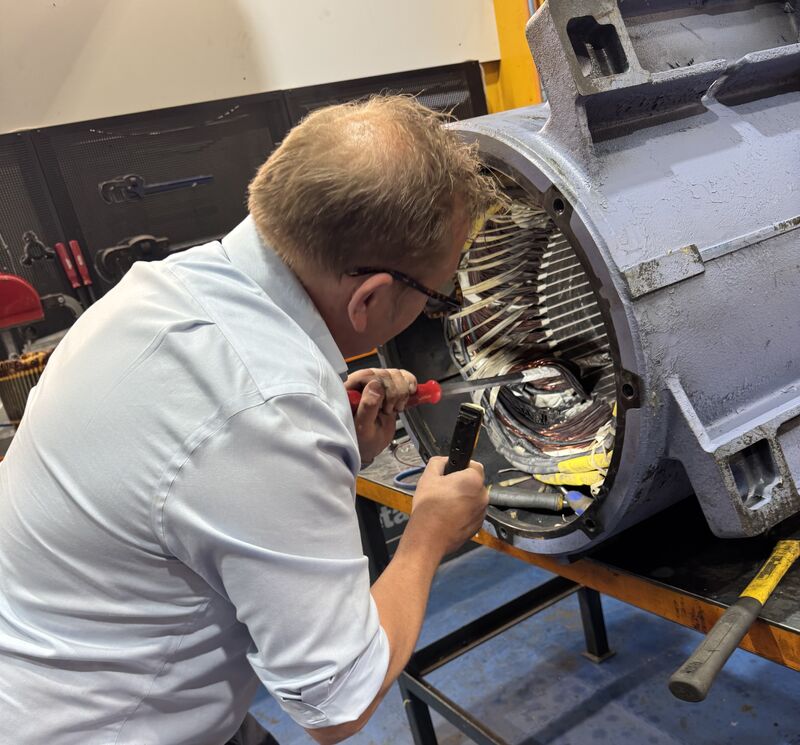
I'll find any excuse to get my hands, and usually my shirts, dirty in the workshops. We had a 250kW AC compressor motor in from a customer who has been having problems with motor failures.
Yes, the windings have blown. So my guys and I got stuck in to see where and why the windings have failed. So I grabbed a glass-taped pry bar and got to work. It's a bit like peeling back the layers of an onion until you get to what you want to see. I must admit this was a pretty terrible rewind (not one of ours), but that's a story for another day.
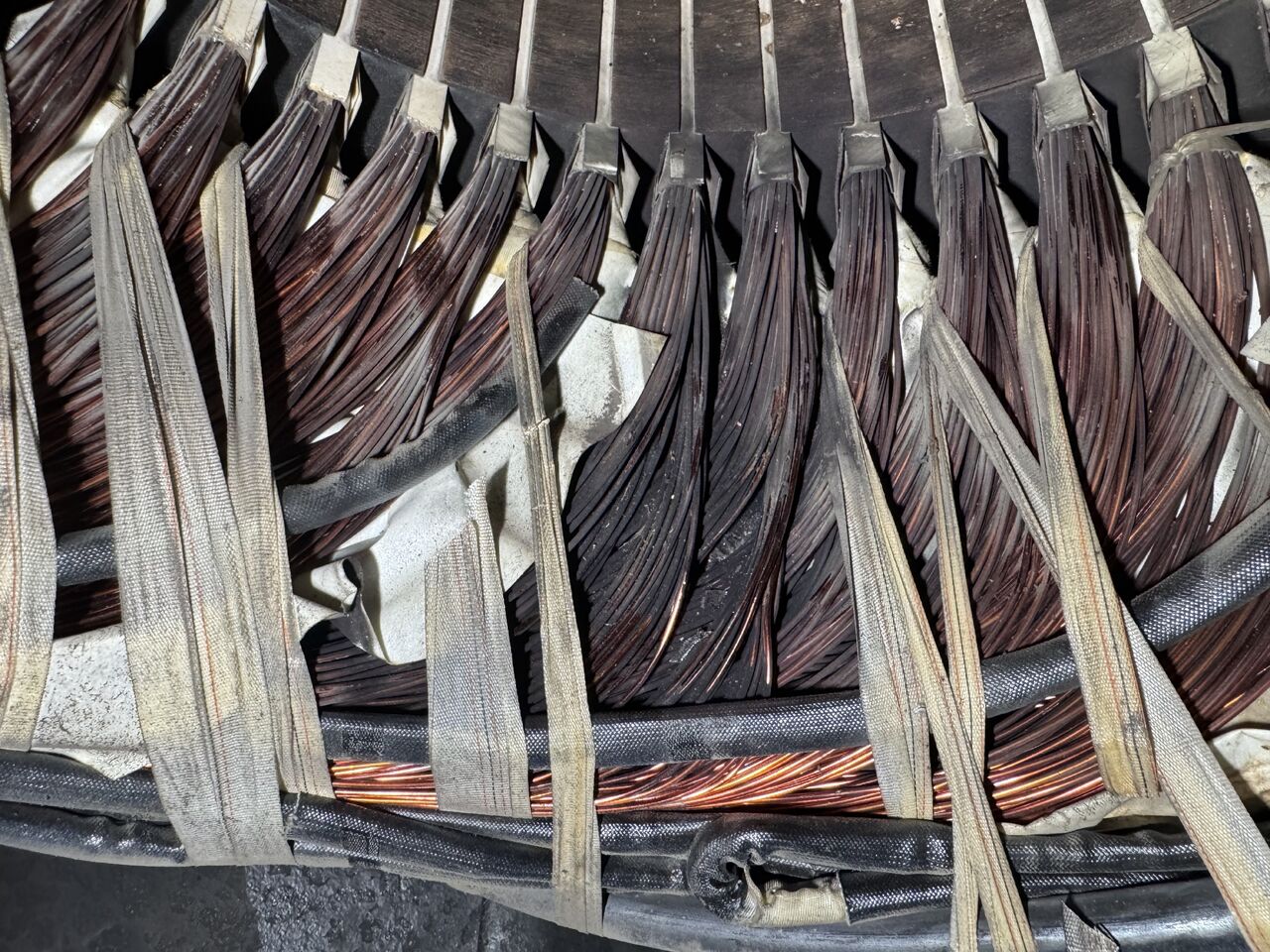
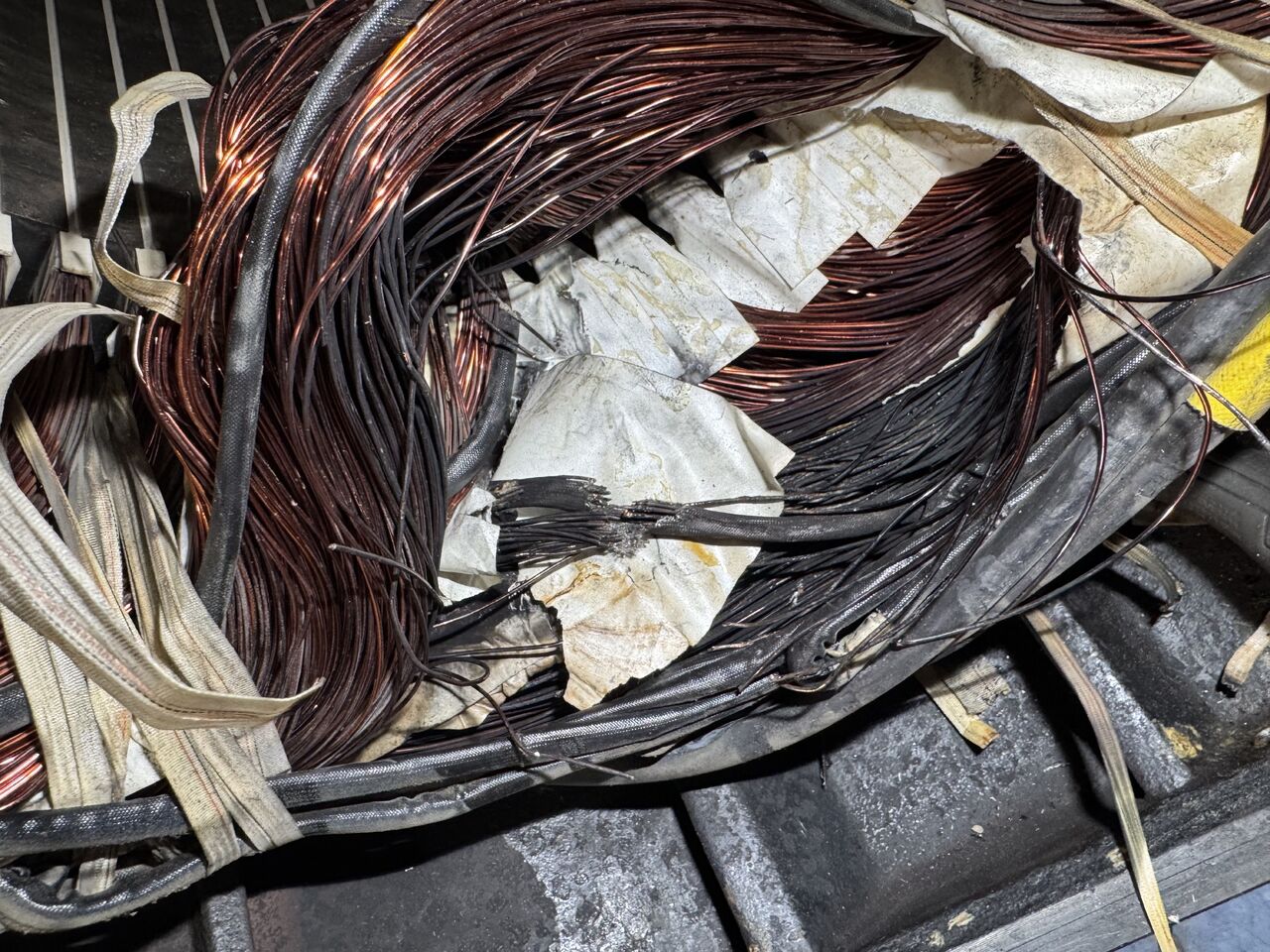
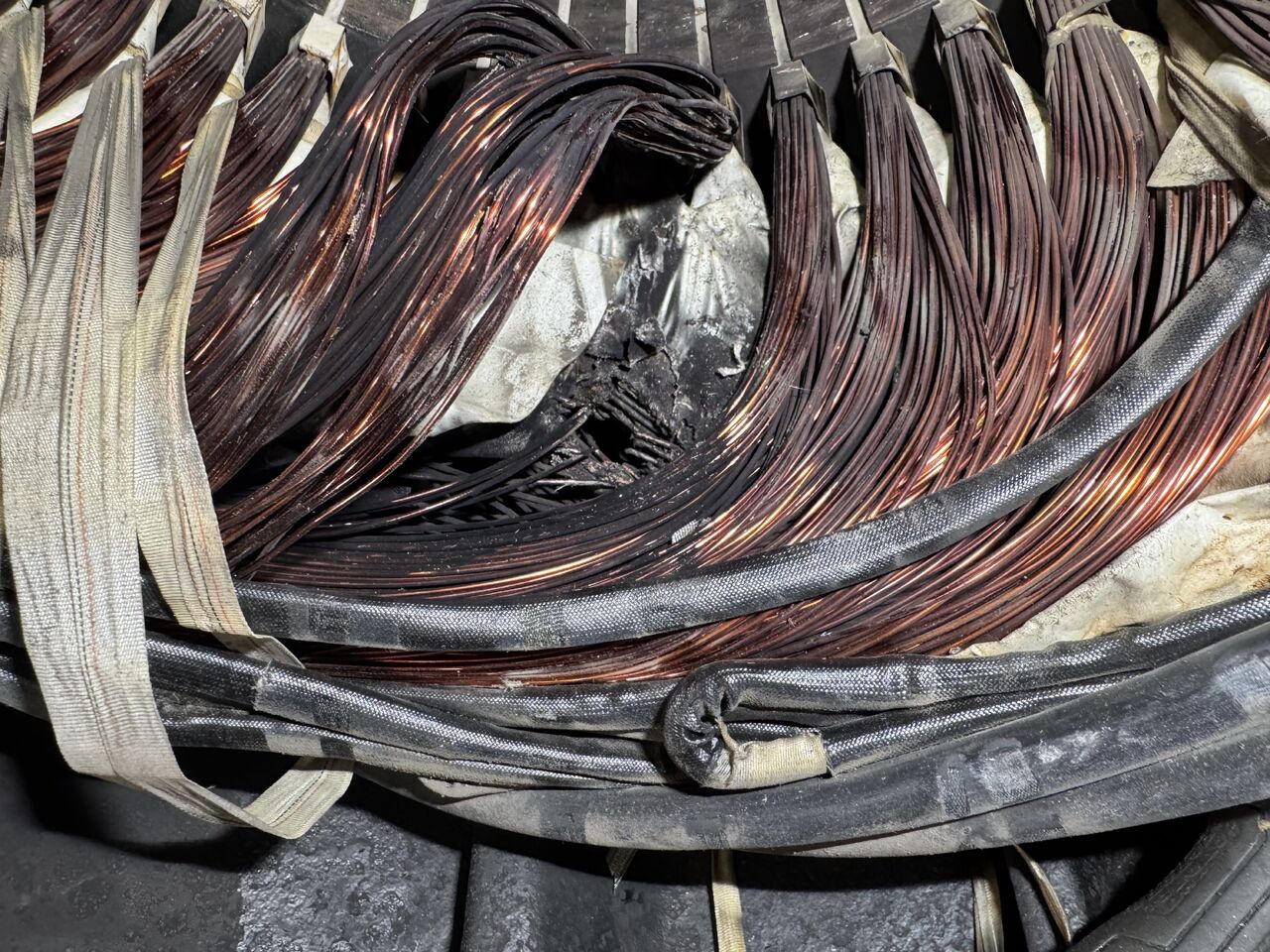
I did have to place a bit of the old phase insulation behind the blow area to show it more clearly on the last picture. However, you might just be able to see where the failure happened. On the first turn, a blow between the first turn conductors and the second turn, breaching the sleeving.
Ever heard of the term 'reflected wave voltage spikes?' Well our customer soon did. What's more, we discussed how we can stop this happening again and solve a long-term problem they'd been having.
It's this forensic engineering that I love, it has a direct impact on reliability when you can do something about it too.
Contact Us
Please fill in the contact form to get in touch with us or contact us on the relevant channels below.
Fletcher Moorland Ltd.
Elenora Street
Stoke-on-Trent
Staffordshire,
ST4 1QG
Opening Hours:
Monday - Sunday: Open 24 hours


