
Apprentice Training
Fletcher Moorland | Introduction to Electric Motors
Fletcher Moorland offer hands-on, industry-focused training tailored specifically for engineering apprentices. Designed to bridge the gap between classroom theory and real-world application, our courses equip young engineers with the practical skills needed across sectors such as manufacturing, industrial maintenance, distribution, and heavy industry.
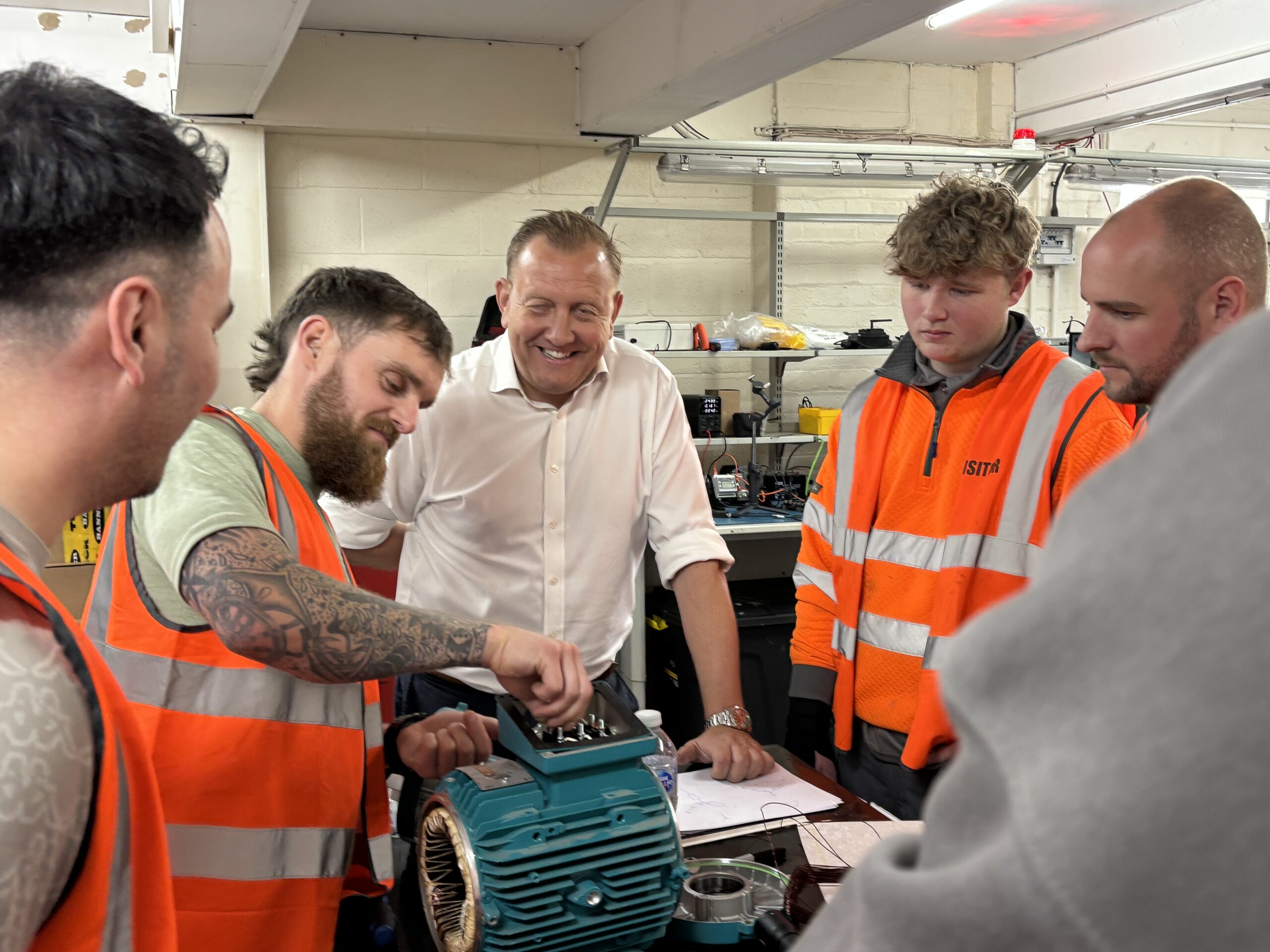
Delivered by Fletcher Moorland MD; Matt Fletcher, in our fully equipped Stoke-on-Trent facility, our apprentice training covers key areas like electric motor fundamentals, fault diagnosis, mechanical repair techniques, and safety best practices. It’s a learning environment built around doing, because we believe that’s how engineering is best understood.
If you're looking to increase your apprentice engineers, knowledge and practical skills, our training programmes are the ideal place to start.
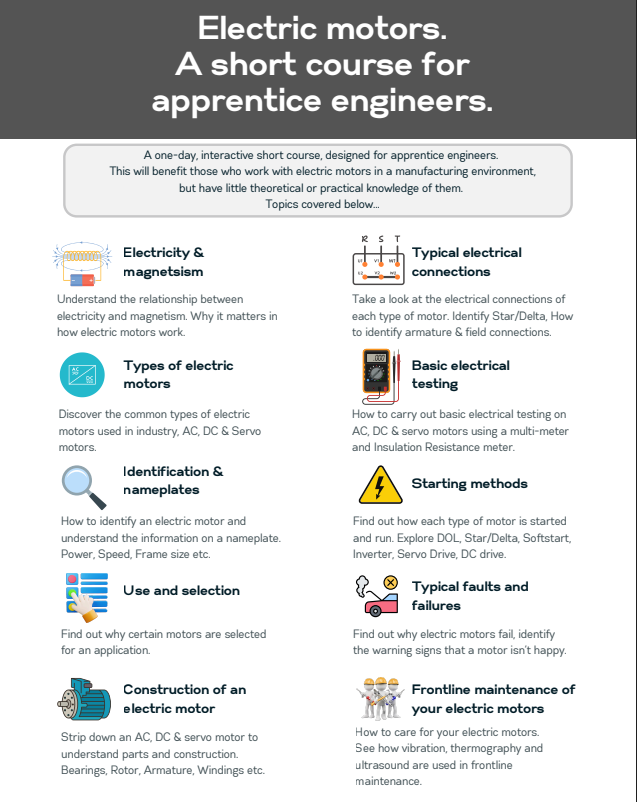
What topics will the apprentice engineer training cover?
Our, “Introduction to Electric Motors” course for apprentices covers a comprehensive range of topics designed to build both confidence and competence. Through a blend of theory and hands-on experience, trainees will explore the key principles and practical skills needed to understand and work with electric motors across a range of industries.
Our training topics include:
- The basics of electromagnetism
- Identification of each type of motor
- How to identify the information on a nameplate
- Uses for each type of motor
- The construction of each type of motor
- Stripping them down
- The fun world that is electric motor windings
- How each type of motor works
- Starting methods
- Electrical connections
- Basic frontline testing & fault finding
- Performance Comparisons
Each session is designed to be engaging, informative, and immediately relevant to the kind of real-world engineering work apprentices are stepping into.
Practical, entry-level, hands-on electric motor awareness training:
If you’re responsible for arranging training for the next generation of engineers, our Introduction to Electric Motors course is a valuable step in their development. Tailored for engineering apprentices, this hands-on training provides a solid foundation in electric motor principles, fault finding, and practical repair techniques. All delivered by experienced engineers in a live workshop environment, it gives apprentices the chance to learn by doing, not just observing.
Course content is aligned to real-world industry needs, it’s an ideal addition to any apprenticeship programme.
Course Dates
If you have a high volume of learners (8 or more) please contact us to arrange business specific training days, to give your apprentices the opportunity to learn alongside their peers.
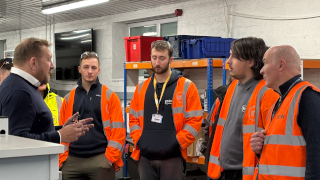
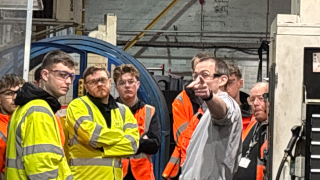
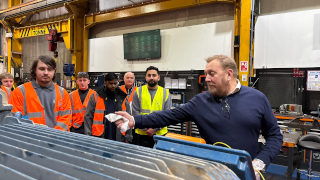
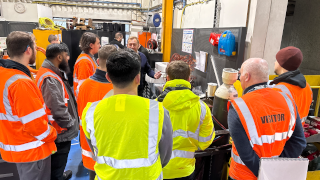
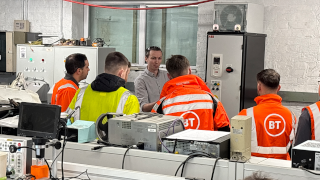
Checkout the gallery below for videos and pictures of previous, “Introduction to Electric Motors” workshops.
About your course leader
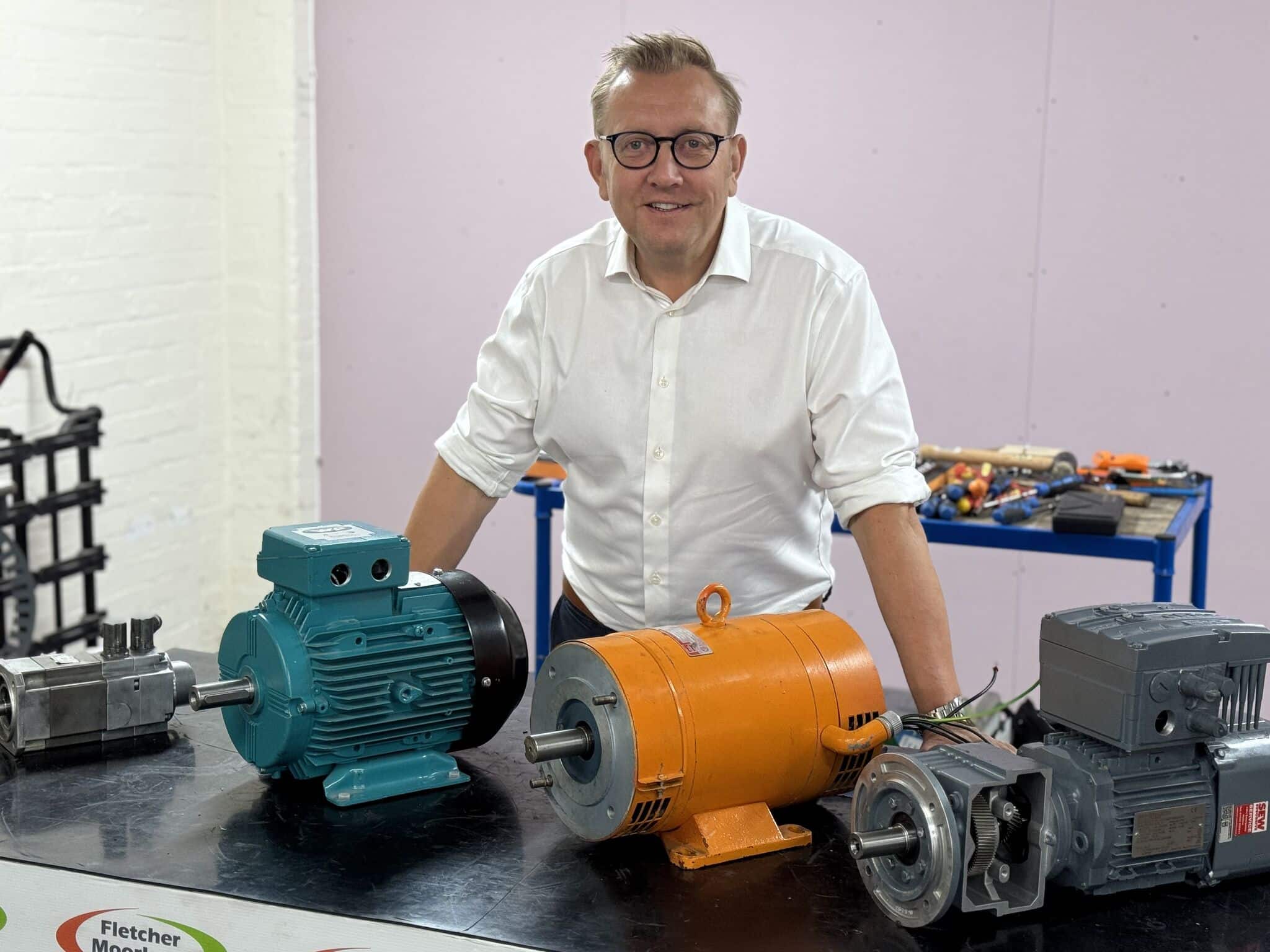
Fletcher Moorlands, “introduction to electric motors” course for apprentice engineers is led by MD Matt Fletcher.
With a degree in electrical and electronic engineering combined with over 40 years experience in the electric motor repair industry. Matt started off his career by cleaning electric motor parts for workshop engineers in the early 1980s, real workshop experience learnt on the workshop floor. Matt is the perfect person to give your apprentices an introduction to electric motors.
They will strip down real electric motors, use test equipment & work in a practical workshop environment.
They will be able to identify electric motor types, understand the principles of operation, diagnose common faults, understand what can go wrong and learn how to keep your electric motors running reliably on your site.
Matt has always held a keen interest in championing industry training and is a proactive voice in promoting the need for work based learning. This commitment to providing apprentices with appropriate skills is complemented by the, “GetTooledUp" initiative Matt runs on LinkedIn in partnership with BETA Tools.
This is a monthly opportunity for apprentices to get their hands on high quality tools, to help in the progress of their engineering careers. We’d encourage any learner attending one of our Fletcher Moorland courses to follow us and Matt on LinkedIn in order to not miss out.
Take advantage of Apprentice TRaining!
At Fletcher Moorland, we’re passionate about developing the next generation of engineers. Our training for apprentice engineers is built to give you the real-world skills that industry demands.
Apprentices get to grips with tools, techniques, and technologies that keep British industry moving. From problem-solving, to understanding how quality and precision make a difference, our training bridges the gap between the classroom and the workplace.
We’re here to help the next generation of engineers to keep industry running.