The Next Gen of Maintenance Engineer
Fletcher Moorland| Introduction to Electric Motors
An Introduction to Electric Motors: Developing the Next Generation with Matt Fletcher
It’s not every day that young engineers get hands-on access to one of the UK’s most advanced electro-mechanical repair facilities. That’s exactly what’s happening at Fletcher Moorland, led by MD Matt Fletcher.
Fletcher Moorland have been welcoming trainee engineers from across the UK to our Stoke-on-Trent headquarters for a specialist session: “An Introduction to Electric Motors.”
Avoiding being a classroom led event. We have focused on delivering an immersive, full-day experience designed to inspire, educate, and energise the next generation of engineering talent.
Hosted onsite in our well-equipped workshops, Matt has led training to 48 Trainee Engineers from a variety of industries including, manufacturing, fulfilment, facilities and aggregates. The course being a well blended mix of practical insight and technical depth all with the
easy-going, plain-speaking approach he’s known for.
ENQUIRE TODAY
Learning Where It Happens
At Fletcher Moorland we’re firm believers that experience matters. A great way to learn is by seeing, touching, and doing. That’s why our introduction to electric motors course, kicks off with informal fun, running a few electrical and magnetism experiments. Great Ice breakers to help bring the group together.
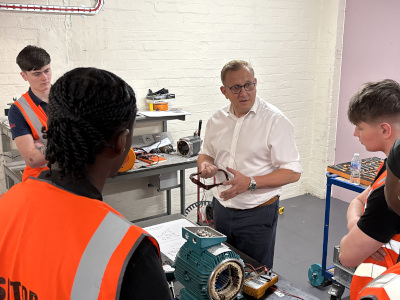
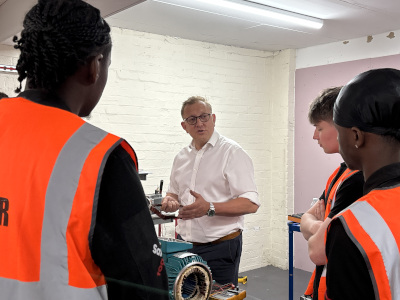
After a relaxed but engaging overview of electric motors, from their fundamental principles to the role they play across sectors. It was time to get hands on and strip down some motors!
“Understanding motors is about knowing what you’re looking at, what you’re listening for, and what signs tell you something’s not quite right.”
Matt Fletcher
Touring the Workshops: Where Theory Meets Reality
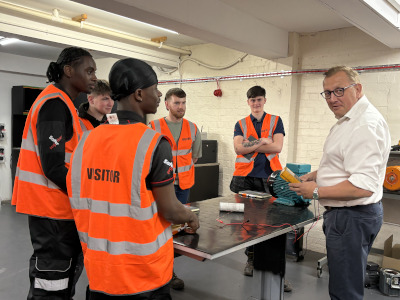
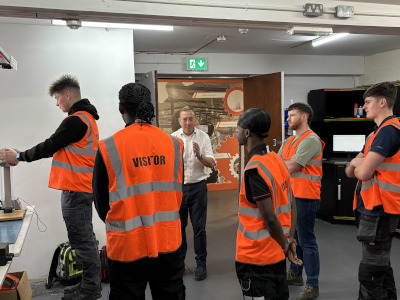
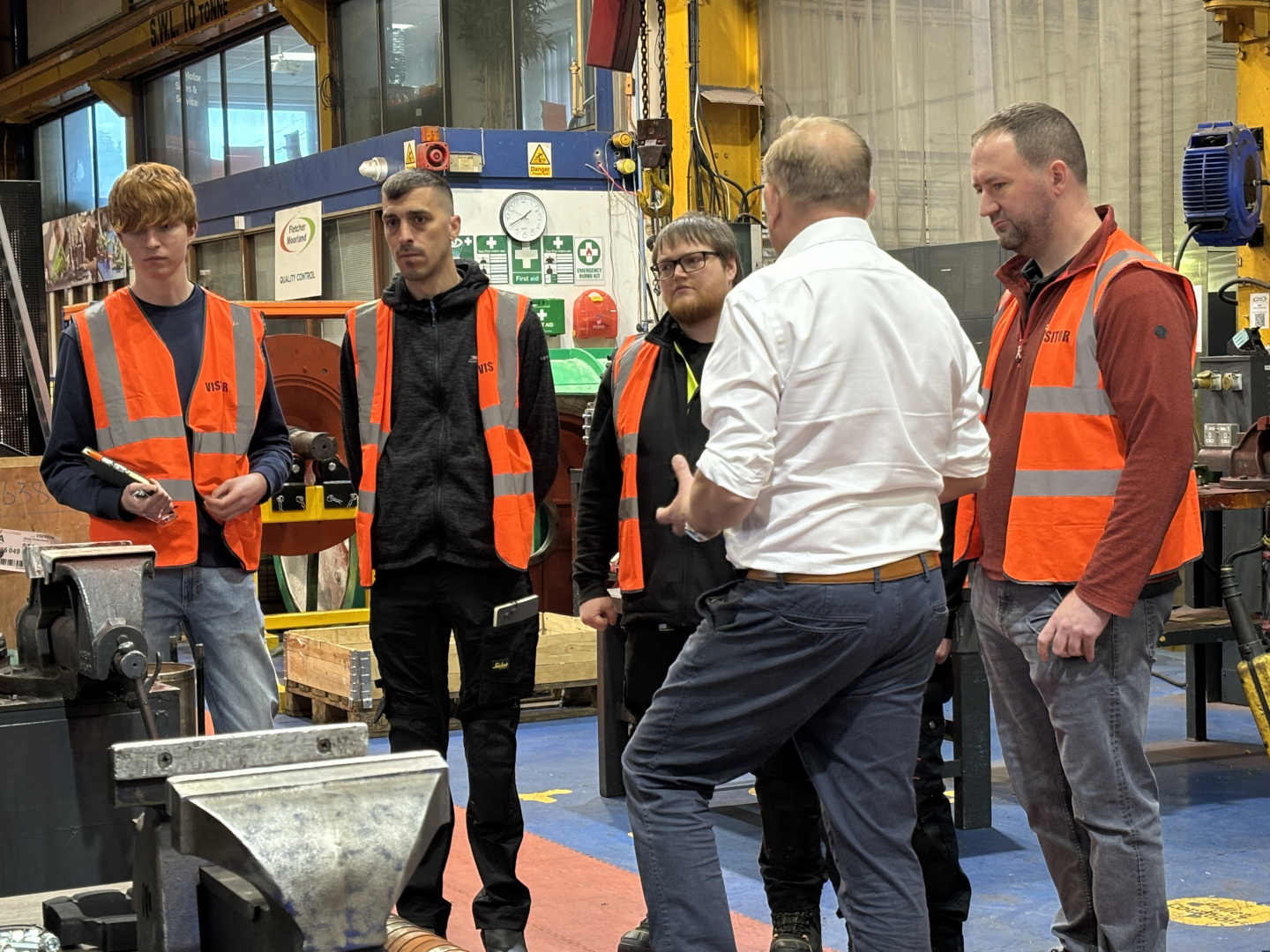
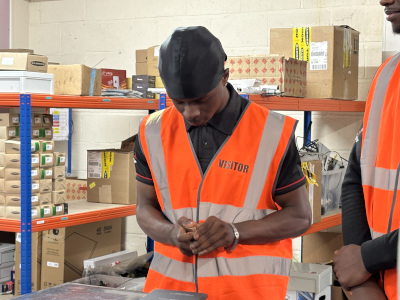
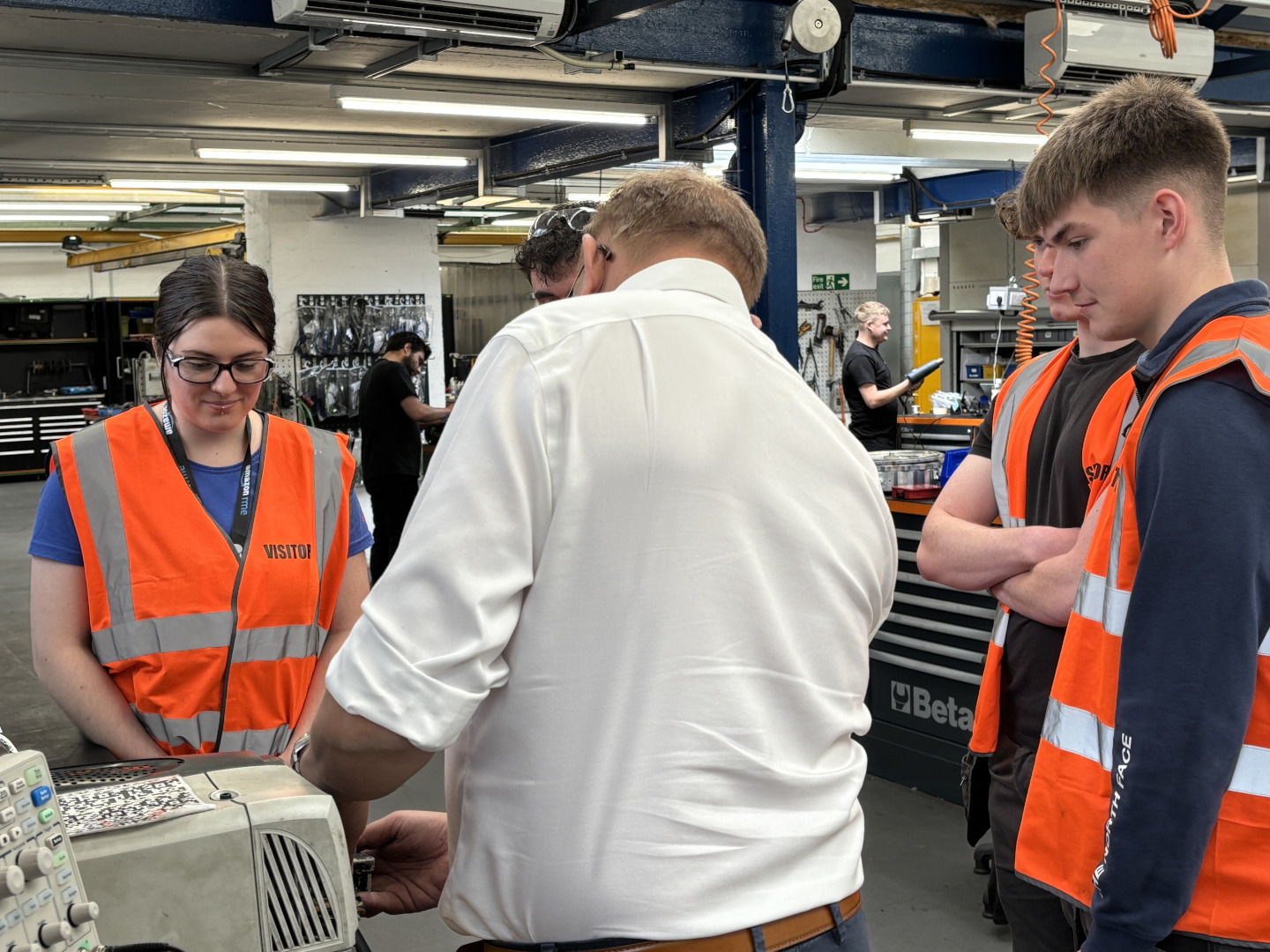
Donned in vibrant hi-vis, with safety boots and glasses on, the group were taken on a guided tour of our facilities (something we’re always proud to showcase). The tour offered more than just a walk-through; it was a live demonstration of motor repair, diagnostics, and rewinding in action. As well as our Servo & Specialist Motors, Manufacturing, Drive and Controls and Reliability Services department. Helping open eyes to the many different fields of engineering maintenance available.
From the VPI (Vacuum Pressure Impregnation) tank to the dynamic balancing equipment, every station offered a talking point. The group stopped by our coil manufacturing area, watched our engineers conduct detailed vibration analysis, and saw how we diagnose insulation breakdowns using high-voltage surge testing equipment.
Matt explained each process not just in technical terms, but with context. “This is why we do it this way,” followed by a cautionary tale on what happens if you don’t.


Hands-On with Motors
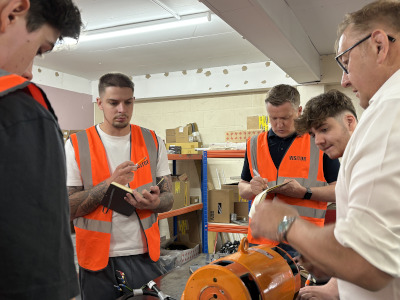
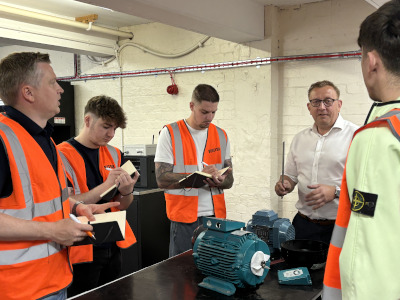
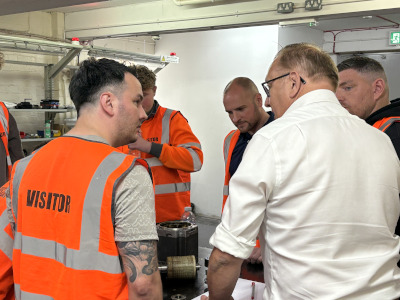
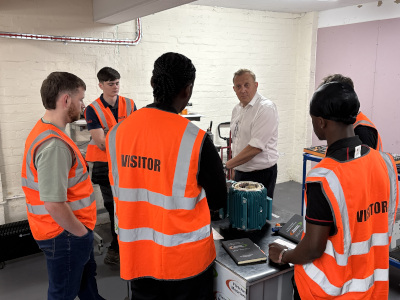
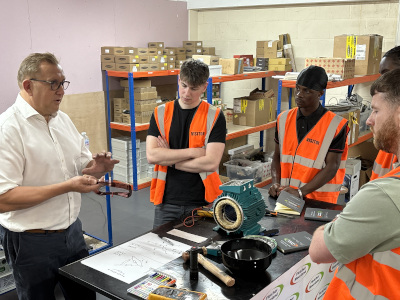
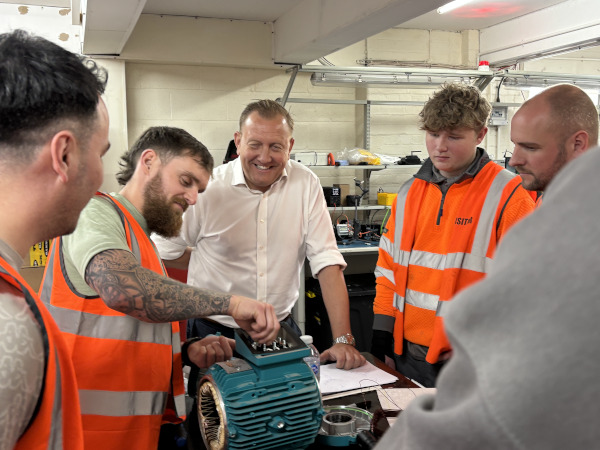
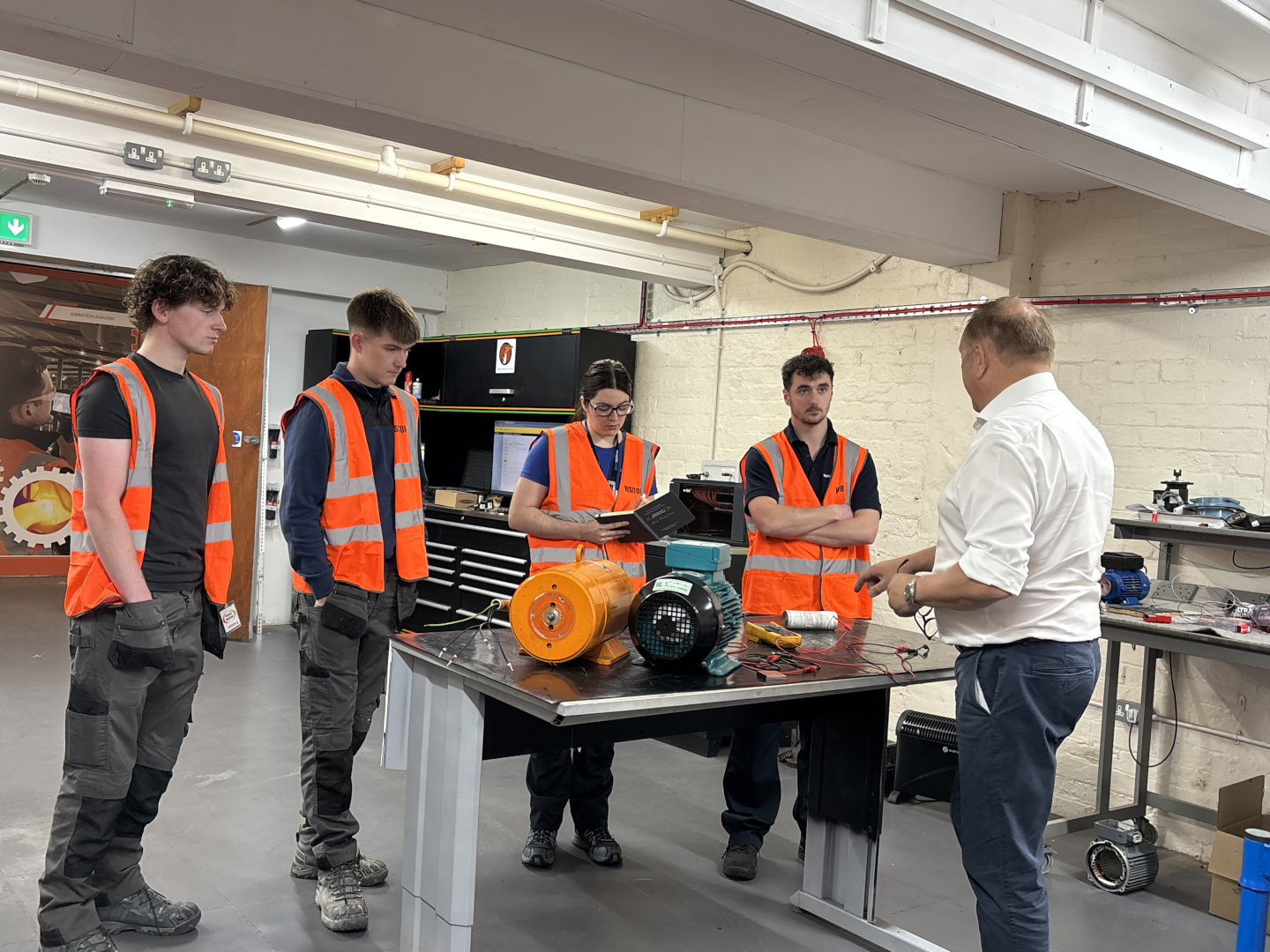
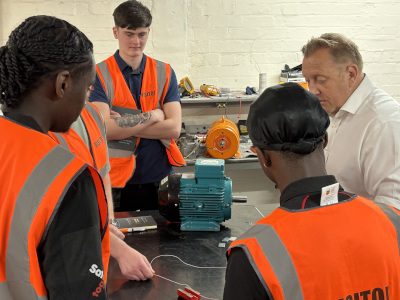
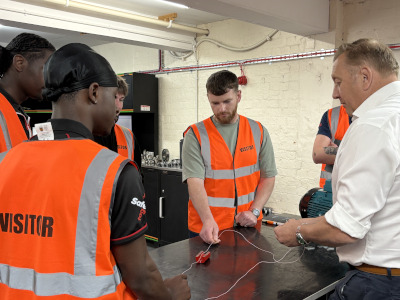
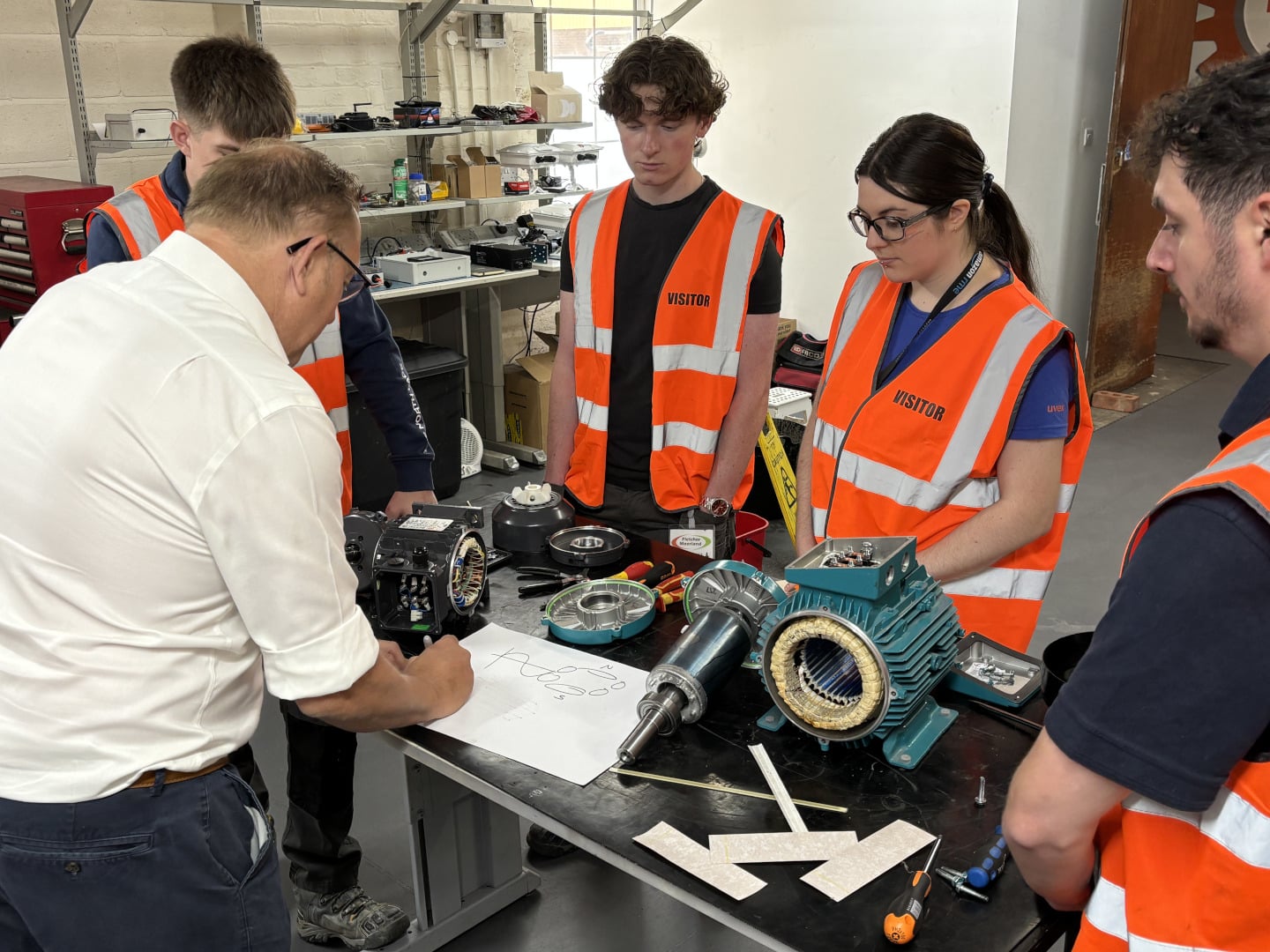
The core of the day was a hands-on practical session in one of our training bays, where we had a range of motor types prepped and ready, including small AC induction units to larger DC machines.
Trainees dismantled, inspected, and reassembled motors under guidance. They were shown how to identify typical faults, test windings, check bearings, and use diagnostic tools to verify motor performance.
Our aim to have them to go back to their workplaces not just with knowledge, but with confidence.
Many of the trainees had never had the opportunity to physically handle a motor before, let alone strip one down and reassemble it with proper engineering support. It’s this sort of practical exposure that sets Fletcher Moorland’s training apart, not just telling, but showing and doing.
Investing in the Engineers of the Future
At Fletcher Moorland, we don’t just repair motors, we keep industry moving. And part of that mission involves sharing our knowledge and expertise with the engineers who will shape the industry’s future.
By opening our doors and running sessions like these, we’re helping to close the gap between education and industry. The feedback we’ve received speaks volumes.
Matt was clear about the importance of this kind of engagement: “There’s a skills shortage in our sector. We all know it. But the way we solve that is by training people properly, giving them access to real kit, and sharing what we know.”